


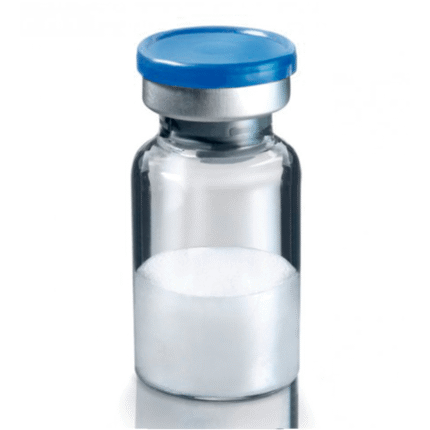
GnRH (Triptorelin) 2 mg (1 vial)
$29.95
GnRH Triptorelin Peptide is a synthetic decapeptide agonist of the Gonadotropin-Releasing Hormone (GnRH) receptor. It features a strategic amino acid substitution at position 6 (D-Tryptophan for Glycine), which enhances its binding affinity and metabolic stability compared to endogenous GnRH. It is widely utilized in laboratory models to investigate the regulation of the Hypothalamic-Pituitary-Gonadal (HPG) axis and the mechanisms of steroid hormone suppression.
GnRH Triptorelin Peptide is studied for its ability to produce two distinct physiological phases depending on the duration of exposure within the research model.
Key Areas of Laboratory Investigation:
-
Receptor Affinity & Activation: GnRH Triptorelin Peptide acts as a potent agonist at the GnRH receptor. Initial interaction triggers the acute release of Luteinizing Hormone (LH) and Follicle-Stimulating Hormone (FSH), leading to a temporary surge in gonadal steroid production.
-
Pituitary Desensitization: Research focuses on the secondary phase of GnRH Triptorelin Peptide interaction. Continuous or high-dose exposure leads to the down-regulation of GnRH receptors. Studies observe how this “biological castration” state suppresses testosterone or estrogen to castrate levels.
-
Structural Stability: The substitution of D-Trp at the 6th position is a primary subject of peptide engineering research. Scientists study how this modification protects the molecule from enzymatic cleavage by endopeptidases, significantly extending its half-life in experimental environments.
-
Oncology & Cellular Signaling: GnRH Triptorelin Peptide is also investigated in models of hormone-sensitive cancers. Researchers use it to explore how GnRH analogs influence cell proliferation and apoptosis in tissues beyond the pituitary, such as the prostate and breasts.
Chemical & Technical Specifications
| Property | Specification |
| Sequence | [pGlu]-His-Trp-Ser-Tyr-[D-Trp]-Leu-Arg-Pro-Gly-NH2 |
| Molecular Formula | $C_{64}H_{82}N_{18}O_{13}$ |
| Molecular Weight | 1311.45 g/mol |
| Purity | ≥99% (HPLC Verified) |
| CAS Number | 57773-63-4 |
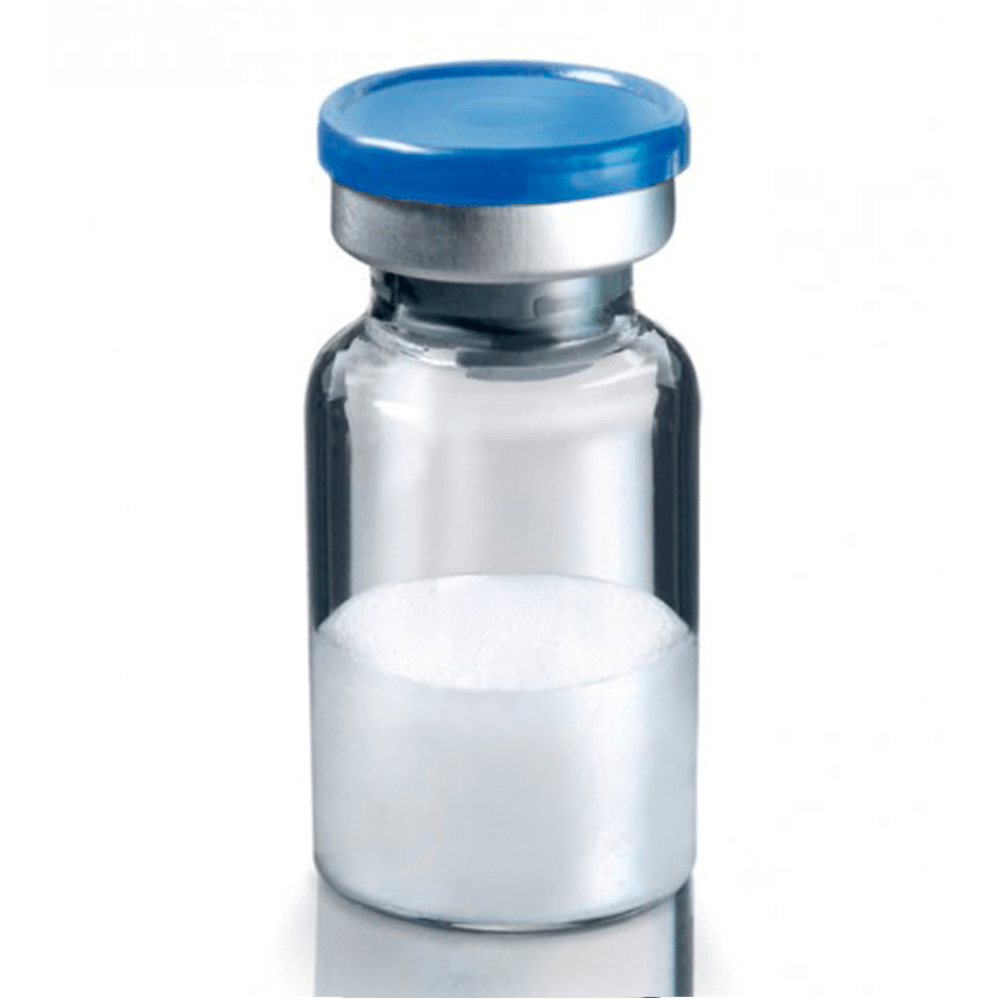
| Form | Lyophilized Powder |
Experimental Handling & Stability
-
Solubility: Highly soluble in sterile water or aqueous buffers (PBS).
-
Storage (Lyophilized): Store at -20°C for long-term stability (up to 2 years).
-
Storage (Reconstituted): Once in solution, Triptorelin should be kept refrigerated at 2-8°C. For maximum experimental accuracy, it is recommended to use the solution within 7–10 days to avoid peptide degradation.
Research Disclaimer: GnRH (Triptorelin) is intended strictly for laboratory research and analytical purposes. It is not approved for human consumption, clinical use, or as a treatment for medical conditions.


Related products

5-Amino-1MQ (50mg/capsule), 60 Capsules
BPC-157 5mg + TB-500 5mg (Blend), 10mg
Semax 30mg (1 vial)

Cibinitide ARA-290 16mg KIT (10 vials) 160mg
Tirzepatide (LY3298176)
Thymosin Alpha 1